
Who Is Carles Benavent?
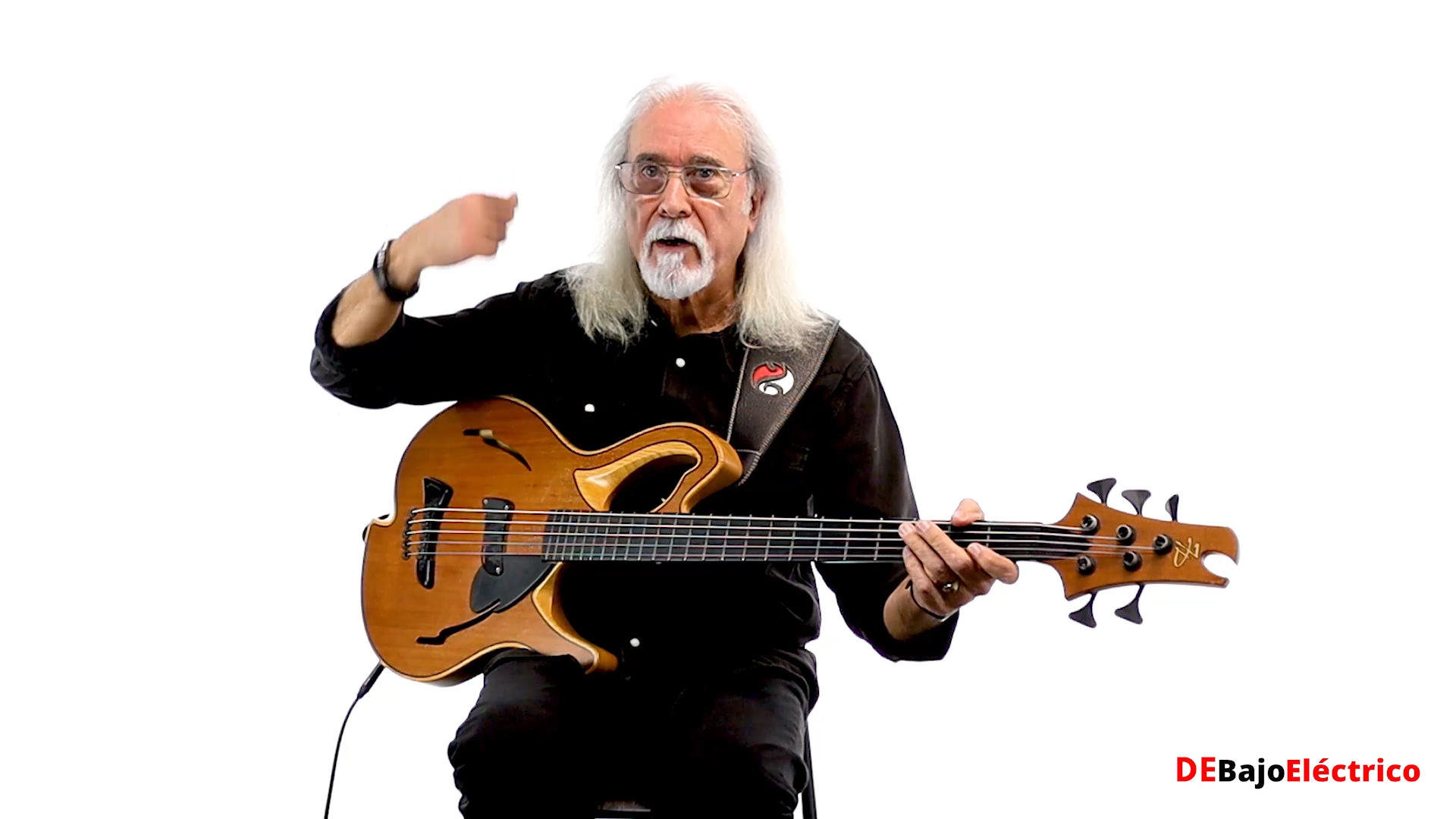
The Carles Benavent biography is the story of a musical revolution. Recognized worldwide as the pioneer of electric bass in modern flamenco, Benavent transformed the role of the instrument from a purely rhythmic foundation into a melodic, expressive, and structural voice within the genre.
From his early years in progressive rock in Barcelona to his historic collaboration with Paco de Lucía, and later performances alongside Chick Corea and Miles Davis, Benavent represents one of the most sophisticated crossroads between jazz and flamenco in contemporary music.
Understanding his career means understanding the birth of modern flamenco bass.
Early Years (1968–1975): Progressive Rock and Musical Identity
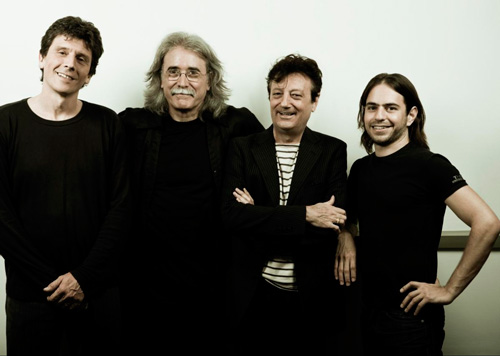
Carles Benavent began his musical journey in 1968 at just 13 years old in Barcelona’s Poble Sec neighborhood. That same year, he formed his first band, Crack.
In 1970, the group evolved into Máquina!, one of Spain’s pioneering progressive rock bands. Even in this early stage, Benavent displayed a defining trait that would shape his entire career: the bass was not simply a supportive instrument—it carried melodic intention and artistic direction.
In 1975, alongside Joan Albert Amargós, he founded Música Urbana, one of Spain’s most influential jazz-fusion ensembles. This period solidified his identity as a creative bassist capable of blending improvisation, harmonic complexity, and rhythmic sophistication.
These formative years explain why his later work in flamenco carried such harmonic depth and expressive range.
The Paco de Lucía Sextet: Redefining Flamenco (1980–2000)
In 1980, Carles Benavent joined the group of Paco de Lucía, beginning a collaboration that would last more than two decades.
This marked a turning point not only in his career but in the evolution of flamenco itself.
As a member of the legendary Paco de Lucía Sextet—alongside musicians such as Jorge Pardo, Rubem Dantas, and Ramón de Algeciras—Benavent helped redefine contemporary flamenco. The electric bass became fully integrated into the flamenco ensemble, no longer an experiment but an essential structural component.
During this period, he earned the nickname “La Garza Flamenca” (The Flamenco Heron), reflecting his technical elegance and fluid phrasing over complex flamenco compás.
The Sextet toured internationally across Europe, the Americas, and Japan, introducing a new flamenco sound that combined:
-
Traditional flamenco rhythmic structure
-
Jazz harmonic freedom
-
Melodic bass development
-
Advanced improvisation
Benavent also participated in recordings with Camarón de la Isla, contributing to some of the most transformative moments in late 20th-century flamenco.
If you want to explore how these bass concepts are constructed technically, visit our section on BASS TECHNIQUE
International Recognition: Chick Corea and Miles Davis
In 1982, Benavent began touring internationally with Chick Corea, recording the albums Touchtone and Again and Again. These collaborations established him firmly within the global jazz scene.
In 1991, he performed at the Montreux Jazz Festival alongside Miles Davis in a tribute to Gil Evans conducted by Quincy Jones. The performance was documented in the album Live in Montreux.
These milestones were not merely high-profile collaborations—they demonstrated Benavent’s ability to integrate flamenco phrasing and rhythmic identity into elite jazz contexts without compromising either tradition.
In 1992, he participated in the Jazzpaña project with the WDR Big Band of Cologne under the direction of Ariff Mardin and Vince Mendoza, further expanding his orchestral and compositional experience.
Solo Career and Artistic Resilience
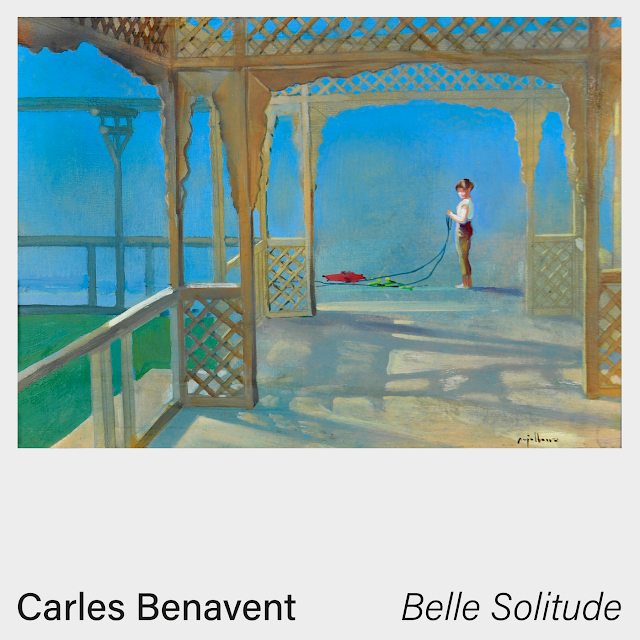
In 1983, he released his first solo album, Carles Benavent, launching a personal discography that would reflect his evolving artistic vision.
Among his most significant albums are:
-
Agüita que Corre
-
Fénix
-
Aigua
-
Quartet
-
Un, dos, tres…
- Belle Solitude
In 1995, Benavent suffered a serious car accident that forced him off stage for nearly a year. However, in 1996 he returned with renewed determination, rejoining Paco de Lucía and releasing Fénix—a title symbolizing rebirth and artistic resilience.
The “Barcelona” Bass: A Personal Sound
In 2003, luthier Jerzy Drozd designed a custom semi-acoustic bass for Benavent, which he named “Barcelona.”
This instrument became an organic extension of his musical voice. Its semi-hollow construction provides:
-
Natural resonance
-
Warm tonal character
-
Expressive articulation
-
Enhanced harmonic richness
The development of a personal tone is essential for any bassist seeking to approach flamenco authentically. In our guide on <a href=”https://flamencobass.com/how-to-play/”>how to play flamenco bass</a>, we analyze the technical and conceptual foundations behind this sound.
Benavent, Pardo, Di Geraldo: A Flamenco-Jazz Landmark
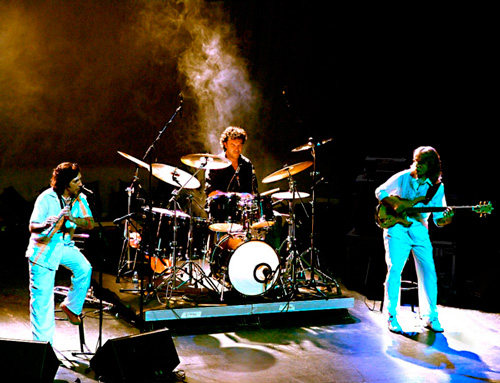
In 1998, the trio Benavent, Pardo, Di Geraldo was formed, becoming one of the most important flamenco-jazz fusion projects of its time.
Their album El Concierto de Sevilla stands as a landmark recording, showcasing deep rhythmic interplay and advanced melodic conversation between bass, saxophone, and drums.
This trio further cemented Benavent’s role as a central figure in modern instrumental flamenco.
Awards and Recognition
Throughout his career, Carles Benavent has received numerous prestigious awards, including:
-
Special Prize “Jazz entre amigos” (1985)
-
Critics’ Special Award (1986)
-
Best Musician of the Year – Generalitat de Catalunya (1994)
-
Best Jazz Album of the Year for Aigua (2002)
-
Lifetime Achievement Award – Cairo Jazz Festival (2010)
-
Maestro Bassist Award – Bass Day Madrid (2010)
These recognitions confirm his influence not only within flamenco but in the broader international jazz community.
The Influence of Carles Benavent on Modern Flamenco Bass
The Carles Benavent biography is not simply a chronology of achievements. It is the foundation of modern flamenco bass language.
His melodic approach, rhythmic precision, harmonic integration, and relentless search for identity define the blueprint for today’s flamenco bassists.
His collaboration in this course provides direct access to that lineage. This is not second-hand interpretation—it is learning from the source of the modern flamenco bass tradition.
FAQ: Carles Benavent Biography
Who is Carles Benavent?
Carles Benavent is a Spanish bassist widely regarded as the pioneer of electric bass in modern flamenco, known for integrating flamenco compás with jazz harmony and melodic bass phrasing.
Why is Carles Benavent famous?
He became internationally recognized through his long collaboration with Paco de Lucía’s legendary Sextet, helping redefine flamenco’s modern ensemble sound.
What instruments does Carles Benavent play?
Carles Benavent is primarily known for electric bass, including a custom semi-acoustic bass nicknamed “Barcelona,” designed for him by luthier Jerzy Drozd.
Did Carles Benavent play with Paco de Lucía?
Yes. He joined Paco de Lucía’s group in 1980 and collaborated for more than 20 years, touring internationally and recording as part of the modern flamenco movement.
Did Carles Benavent collaborate with Chick Corea?
Yes. He toured internationally with Chick Corea and recorded albums including Touchtone and Again and Again in the early 1980s.
Did Carles Benavent play with Miles Davis?
He performed at the Montreux Jazz Festival in 1991 in a tribute to Gil Evans conducted by Quincy Jones, where Miles Davis also took part.
What is the Benavent, Pardo, Di Geraldo trio?
It’s a flamenco-jazz fusion trio formed in 1998 with Jorge Pardo and Tino Di Geraldo, known for high-level rhythmic interplay and improvisation.
Why is Carles Benavent important for flamenco bass players?
Because his approach established the modern flamenco bass vocabulary—melodic phrasing, compás control, and jazz-level harmonic awareness within flamenco.